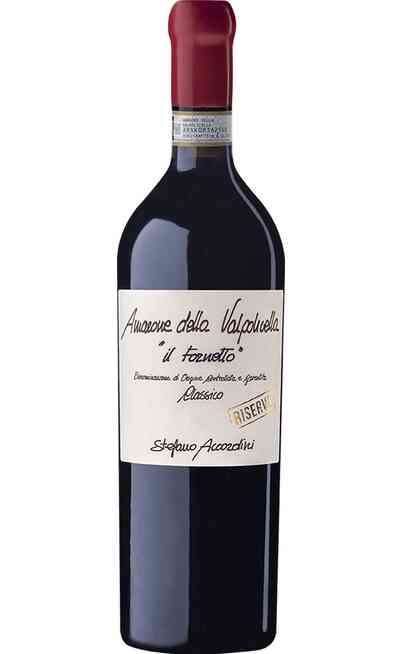
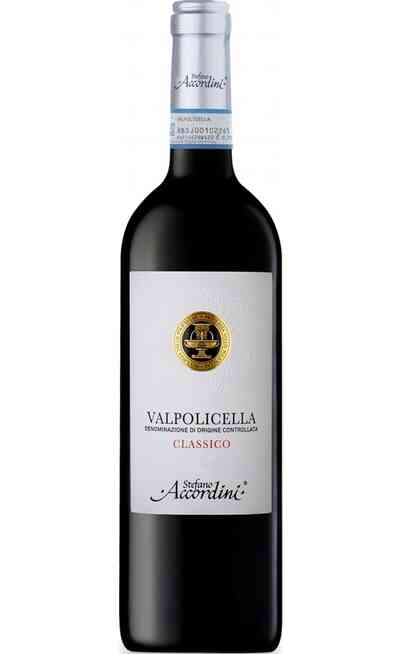
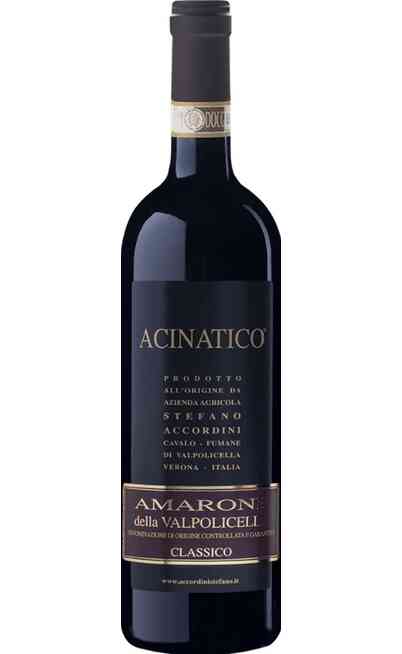
Stefano Accordini
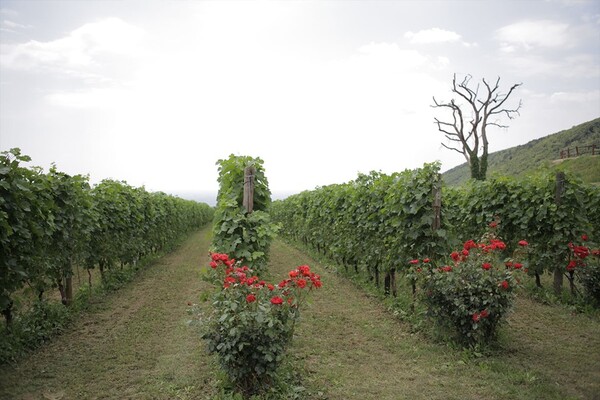
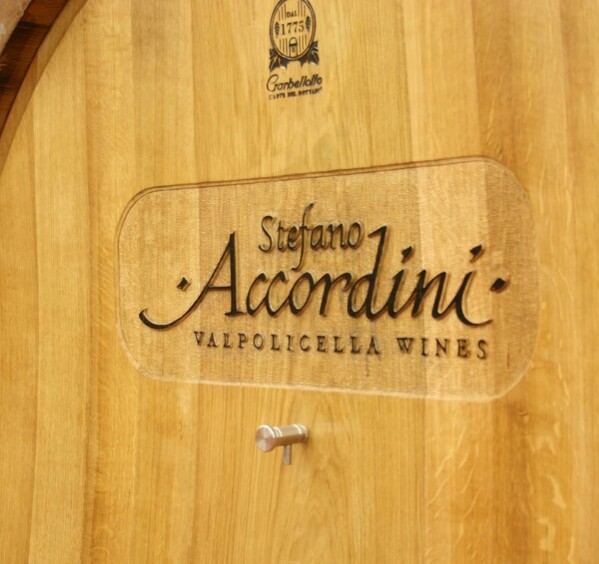
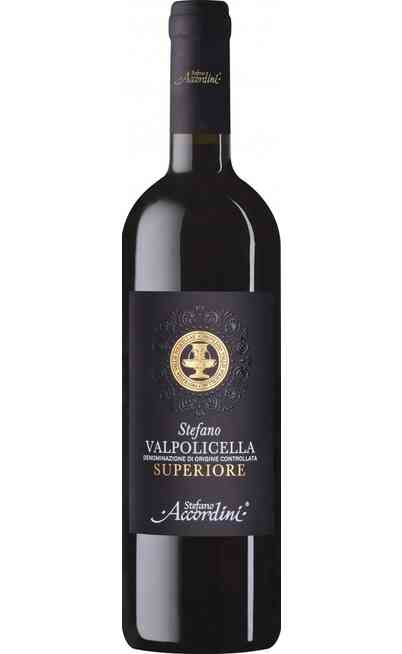
The Stefano Accordini Winery is one of the most representative establishments in the Valpolicella “mountain”, located between the hilly municipalities of Fumane and Negrar, in the Verona area. Its history has its roots in the early twentieth century, when Gaetano Accordini worked as a sharecropper producing wine for family consumption. The real turning point came in the ’70s, when Stefano Accordini purchased the family's first vineyard, called “Il Fornetto”, starting the structured winemaking activity and laying the foundations of the modern winery. In the following years, the company's growth was driven by the second generation, with their sons Tiziano and Daniele, who transformed the family reality into a cellar projected towards international markets. A decisive choice was to move production to the upper Valpolicella Classica, at approximately 550 meters above sea level in the Cavalo di Fumane area, where cooler and more breezy weather conditions allow for slower ripening of the grapes and a higher aromatic concentration. One of the most important features of the winery is precisely this “mountain” viticulture: the vineyards are among the highest in the appellation, a characteristic that profoundly affects the style of the wines, making them fresher, more elegant and longer-lived than the valley floor areas. The microclimate, the temperature range and the calcareous soils contribute to defining a precise and recognisable aromatic profile, particularly suitable for wines such as Valpolicella, Ripasso and Amarone. In recent years, the winery has embarked on a path increasingly oriented towards environmental sustainability and the organic management of the vineyards. The entire company has been progressively converted to organic practices, with great attention to reducing chemical interventions and respecting the local ecosystem. Today Stefano Accordini is a family reality that has reached the third and fourth generations, combining tradition and innovation. On the one hand, it maintains the typical techniques of Valpolicella, such as drying grapes for Amarone, and on the other, it invests in modern winemaking processes and a strong opening to foreign markets. The result is a winery that interprets Valpolicella in a contemporary key, while maintaining a strong identity linked to the mountains, the family, and the area.