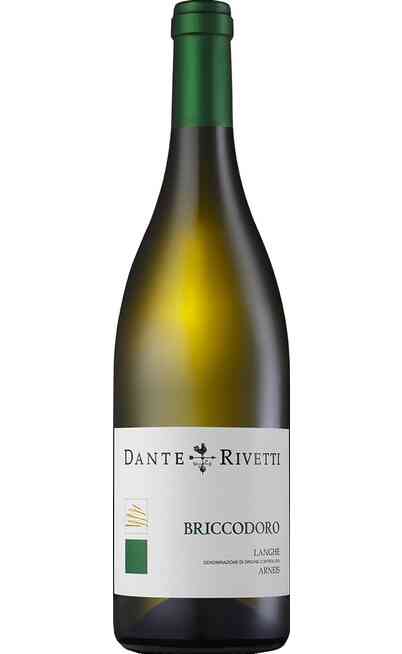
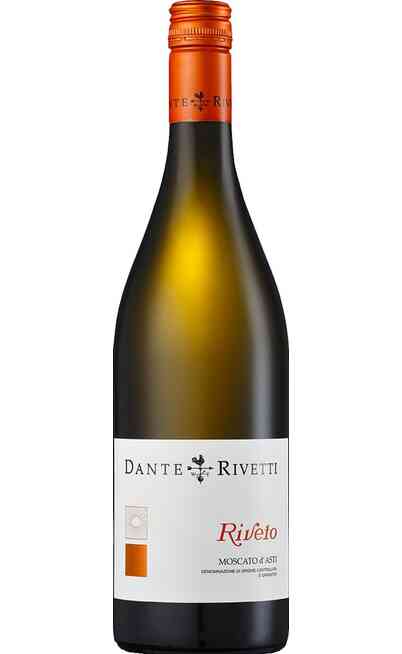
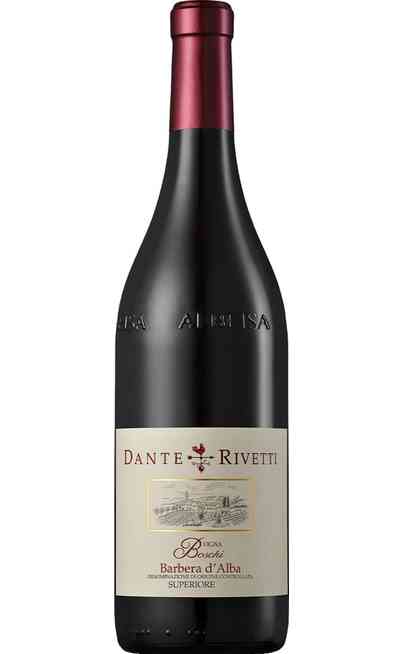
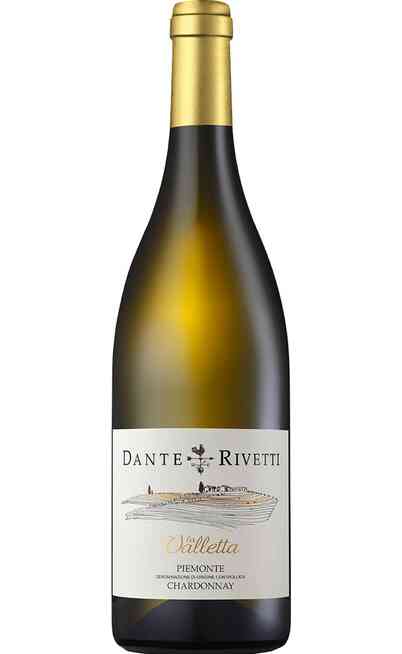
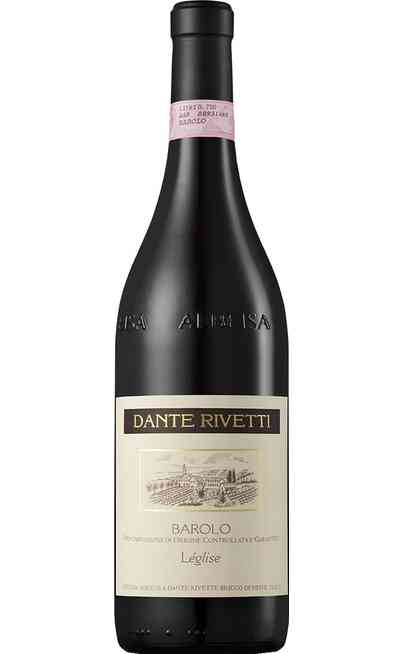
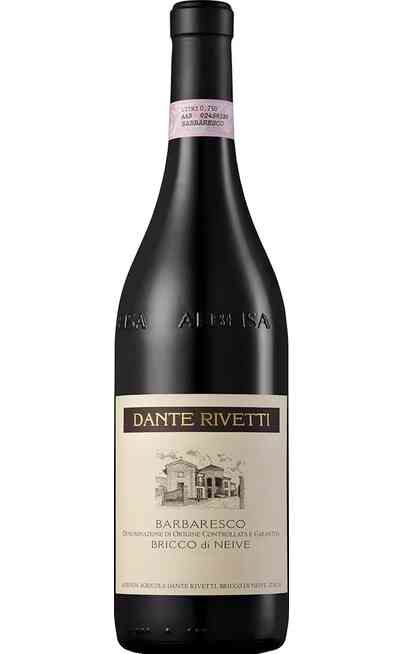
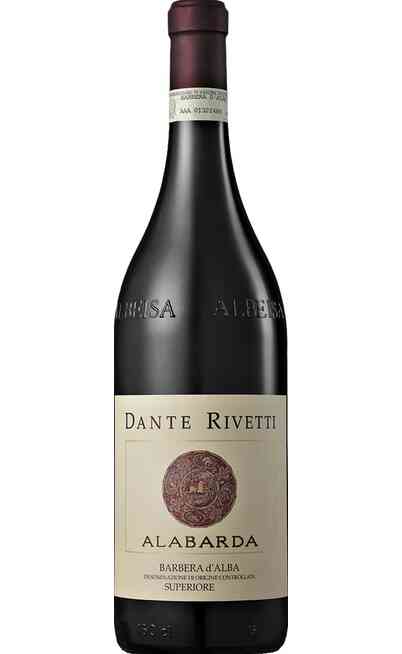
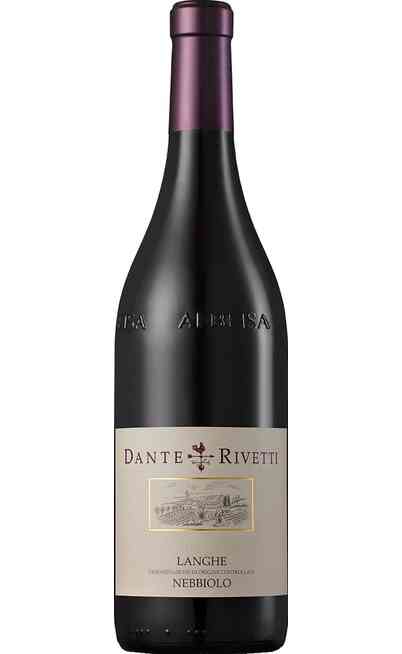
DANTE RIVETTI
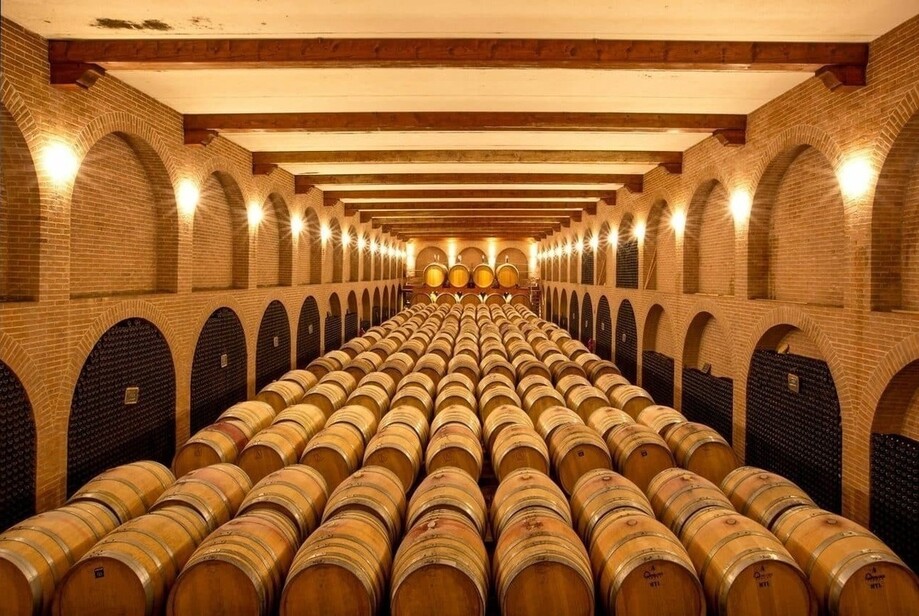
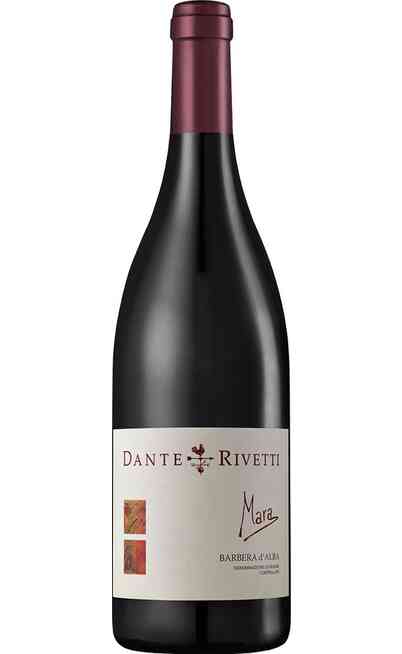
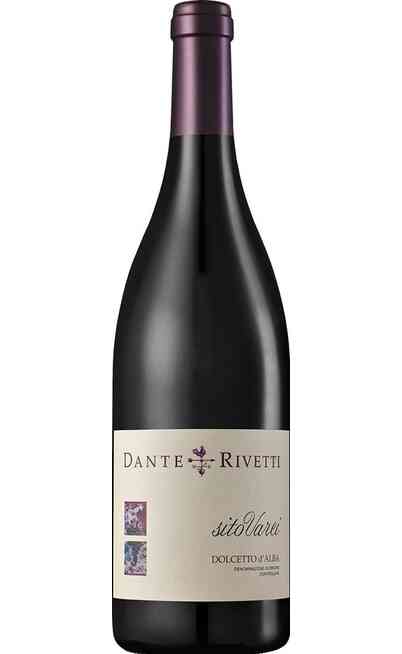
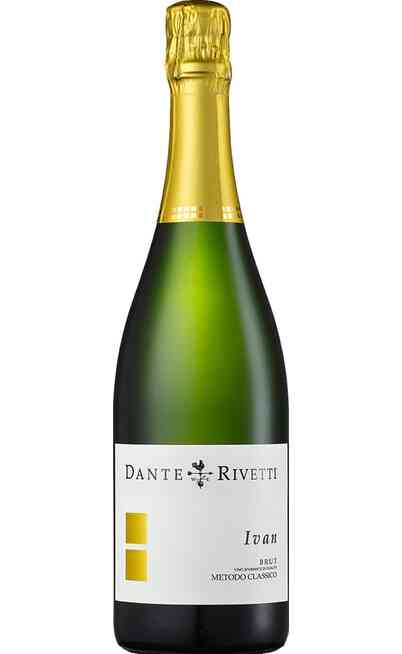
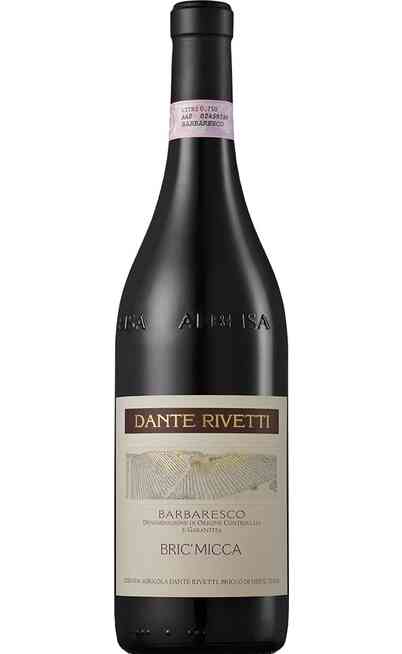
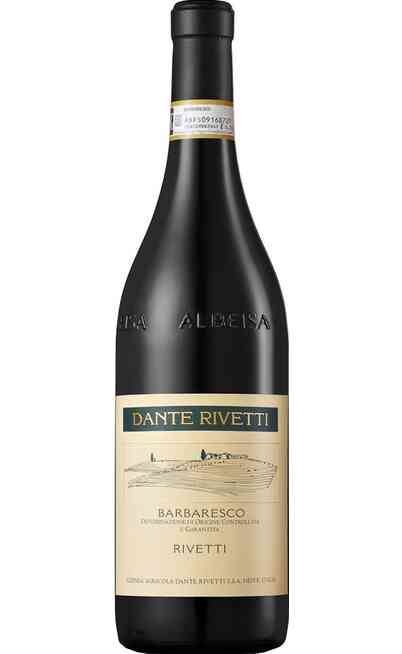
The Dante Rivetti Winery is a historic winery in the Langhe, located in Neive, in the heart of the Barbaresco area. The Rivetti family has been present in these hills for many generations, with roots dating back to the 19th century, when the first ancestors cultivated vines in the Bricco di Neive area, one of the most suitable areas of the appellation. Over time, the family farming business evolved into a structured winery, with the decisive turning point between the ’60s and ’70s, when Dante Rivetti began producing and bottling the first wines under the family name, giving the company a modern direction. The winery's headquarters are located right on the hills of Bricco di Neive, in a panoramic and highly suitable location, where the Nebbiolo vineyards for Barbaresco occupy a central part of production. The family cultivates dozens of hectares between the Langhe and Monferrato, with a strong concentration in the historic crus of Neive such as Bricco di Neive, Bric Micca and Rivetti, considered among the most interesting expressions of Barbaresco. The company's philosophy is based on a traditional and territorial approach: great respect for the grape variety and the identity of individual vineyards, delicate cellar workings, and winemaking that aims to preserve finesse and elegance. Fermentations take place at controlled temperatures, and the most important wines, such as Barbaresco and Barbera Superiore, are aged in oak barrels of different sizes, with long maturation times that allow for the development of structure and complexity. A distinctive feature of the winery is its strong focus on sustainability and responsible vineyard management, with a focus increasingly on land-friendly practices and the enhancement of the natural characteristics of Langhe. Production remains deeply linked to the concept of “terroir wine”, where each cru expresses a different nuance of Nebbiolo and other cultivated varieties. Dante Rivetti is considered one of the reference wineries of Neive and Barbaresco, capable of combining family tradition, territorial identity, and an elegant and recognizable production style, with wines that focus on freshness, tannic finesse, and aging ability.